Affichage des articles dont le libellé est restaurants. Afficher tous les articles

dimanche 18 février 2018

Food allergens

There are 14 major allergens which need to be mentioned on a menu when they are used in a restaurant.
Il y a 14 allergènes majeurs qui doivent être mentionnés sur un menu quand ils sont utilisés dans un restaurant.

Here are the allergens and where they are found.
Voici les allergènes et où ils sont trouvés.

The 14 common food allergies:

1. Celery
This includes celery stalks, leaves, seeds and the root called celeriac. 
You can find celery in celery salt, salads, some meat products, soups and stock cubes.


2. Gluten
Wheat, rye, barley and oats (cross-contaminated).
Found in flour, some types of baking powder, batter, breadcrumbs, bread, cakes, couscous, meat products, pasta, pastry, sauces, soups.

3. Shellfish (Crustaceans)
Crabs, lobster, prawns and scampi are crustaceans. 
Shrimp paste is an allergen in this group.


4. Eggs
Eggs are often found in cakes, some meat products, mayonnaise, mousses, pasta, quiche, sauces and pastries or foods brushed or glazed with egg.


5. Fish
Fish dishes and sauces, pizzas, relishes, salad dressings, stock cubes and Worcestershire sauce.



6. Lupin

Lupin flour and seeds can be used in some types of bread, pastries and even in pasta.


7. Lactose
Lactose is found in butter, cheese, cream, milk powders and yoghurt. It can also be found in foods brushed or glazed with milk, and in powdered soups and sauces.


8. Molluscs
These include mussels, land snails, squid and whelks, but can also be commonly found in oyster sauce or as an ingredient in fish stews.


9. Mustard
Liquid mustard, mustard powder and mustard seeds. May be found in breads, curries, marinades, meat products, salad dressings, sauces and soups.


10. Nuts
Nuts grow on trees. Examples are cashew nuts, almonds and hazelnuts. You can find nuts in breads, biscuits, crackers, desserts, nut powders (often used in Asian curries), stir-fried dishes, ice cream, marzipan (almond paste), nut oils and sauces.


11. Peanuts
Peanuts are a legume and grow underground. Peanuts are often used as an ingredient in biscuits, cakes, curries, desserts, sauces (satay sauce), groundnut oil and peanut flour.


12. Sesame seeds
These seeds can be found in bread (on hamburger buns or bagels), breadsticks, hummous, sesame oil and tahini. Sometimes toasted and used in salads.


13. Soy / Soya
Found in oriental foods such as: bean curd, edamame beans, miso paste, textured soya protein, soya flour or tofu. It can be found in desserts, ice cream, meat products, sauces and vegetarian products.


14. Sulphites
Used in dried fruit such as raisins, dried apricots and prunes. Sometimes found in meat products, soft drinks, and vegetables as well as in wine and beer. 


Norwegian menu

Voici un menu de Bergen, Norvège. Essayons de le traduire!

Menu

Allergens: 
1 - gluten, 2 - shellfish (crustaceans), 3 - egg, 4 - fish, 5 - peanuts, 6 - soya, 7 - lactose, 8 - nuts,
9 - celery, 10 - mustard, 11 - sesame seeds, 12 - sulphites, 13 - lupin, 14 - molluscs


Flatbread & Crispbread


40,-
(1 - wheat & oats, 7 - butter)


Bread & Butter


40,-
(1 - wheat & oats, 7 - butter)


Vegetarian
Turnip, radish & tarragon


115, -
(1 & 10)


Virgin Herring
Onion and potato
125,-
(1, 4, 7 - sour cream)


Lightly Smoked Fish
Cauliflower, dill & lemon


125,-
(4, 7 - sour cream)


Roast Beef
Herb salad, fresh cheese & walnuts


125,-
(8 - walnuts & 7 - fresh cheese)


Confit Chicken from Hornlagarden
Broccoli & lovage 


135,-
(7 - butter, cream & milk)


“Plukkfisk"
Pickled leeks and bacon


125,-
(4, 7 - butter)


Local Fish
Vegetable frikassé


125,-
(4 & 7 - butter)


Braised Lamb
Potato cake, onion & cabbage


145,-
(1 wheat & 7 - sour cream)


Neck of Pork
Grilled cabbage & watercress


145,-
(7 - butter)


Beer and Meat Stew


145,-
(1 barley & 7 - butter)


Local Bacon


10,-
(7 - butter)


Cheese Plate
Local cheeses


135,-
(1 wheat & oat, 7)


Sharing Many
The kitchen decides

LUNCH:

3 courses 275,-
4 courses 325,-

DINNER:

4 courses 325,-
6 courses 525,-

Prices per person.
(Suitable for parties over 2 persons.)

Beer pairing 6 courses
450.-
Price per person


Norwegian specialities

My student Lucie will be going to Norway soon to work as a waitress. I was doing some research into the items on the menu. One type of "Scandinavian tapas" is "virgin herring". Here is an explanation from the Nofirma research institute that developed this new treatment of herring.

Mon étudiante Lucie ira bientôt en Norvège pour travailler comme serveuse. Je faisais des recherches sur les éléments du menu. Un type de "tapas scandinaves" est le "hareng vierge". Voici une explication de l'institut de recherche "Nofirma" qui a développé ce nouveau traitement du hareng.

VIRGIN HERRING
Virgin herring is made from the same raw material as Matjessild. The Dutch word “Maatjes” means virginal. Herring used for matjessild and virgin herring are three year old mature herring that have not yet developed roe or milt. This herring contains a lot of healthy fat.
Only the best herring may be used as a raw material, and matjessild production has become a major industry in Norway. Every year around 140 million matjessild are produced along the Norwegian coast. It is important for the raw material that the herring is fat and that it has eaten copepod. Copepod ensures that the fish is full of enzymes. These ensure a fast tenderization process that has to be stopped at the right time by freezing the herring.
traduction:
HERRING VIERGE
"Hareng vierge" est fabriqué à partir de la même matière première que "Matjessild". Le mot néerlandais "Maatjes" signifie virginal. Le hareng utilisé pour le hareng maquereau et le hareng vierge sont des harengs matures de trois ans qui n'ont pas encore produit d'œufs ou de laitance. Ce hareng contient beaucoup de graisse saine.
Seul le meilleur hareng peut être utilisé comme matière première, et la production de matjessild est devenue une industrie majeure en Norvège. Chaque année, environ 140 millions de matjessild sont produites le long de la côte norvégienne. Il est important pour la matière première que le hareng soit gros et qu'il ait mangé du copépode. Copépode s'assure que le poisson est plein d'enzymes. Ceux-ci assurent un processus d'aération rapide qui doit être arrêté au bon moment en congelant le hareng.

samedi 17 février 2018

Common expressions in a restaurant

1. The guest

  • A table for two, please.
  • May we sit at this table?
  • The menu, please.
  • What are today's specials?
  • Is the curried chicken hot (that is - spicy!)?
  • We're not ready to order yet.
  • The steak for me, please.
  • Can we have some ketchup?
  • A salad, please.
  • I'll have the same.
  • That's all, thank you.
  • Can I have the bill, please?
  • I'm paying.
  • Here you are.
  • Keep the change.
  • Do you have wine by the glass?
  • I'd prefer red wine.
  • Please bring us another beer.
  • Could I have French fries instead of mashed potatoes?
  • What would you recommend?
  • Please bring me the bill with my coffee.
  • I think you've made a mistake.

2. The waiter

  • Hi, I'm Lucie, I'll be your waitress today.
  • Can I help you?
  • Can I take your coat?
  • Have you booked a table?
  • Do you have a reservation?
  • How many in your party?
  • Follow me, please.
  • This way, please.
  • Can I take your order, sir/madam?
  • What would you like to start with?
  • What would you like to drink?
  • What would you like for dessert?
  • How would you like your steak? (rare, medium, well done)
  • Do you want a salad with it?
  • What kind of dressing would you like? Italian, French, just olive oil and lemon.
  • Anything to drink?
  • Do you want a dessert?
  • The burgers are very good.
  • I would recommend the fish special. 
  • Sorry, the fish is finished (sold out - no more left).
  • Is everything all right?
  • Did you enjoy your meal?
  • Do you want separate bills?
  • Do you want everything on one bill?
  • May I show you to a table?
  • Please wait, there'll be a table free in a few minutes.
  • Do you want vegetables with it?
  • Why don't you try the pizza?
  • It'll take about 20 minutes.

dimanche 28 janvier 2018

Breakfast at Lucie's - Take 1, 2 and 3

My student Lucie is preparing for her English exchange in Norway. I've made a series of short videos to help her with her work in Bergen.

Breakfast at Lucie's - Take 1

In Take 1, Colleen is up early. She is looking for a restaurant. She walks along a famous street in Bergen. She finds a new restaurant - Lucie's Restaurant. Is it open? Yes it is! The waiter gives her a menu and she orders an espresso. Do you notice something unusual in Lucie's restaurant? Have a look...


The Breakfast Menu:


CROISSANT - 95
Ham
& cheddar


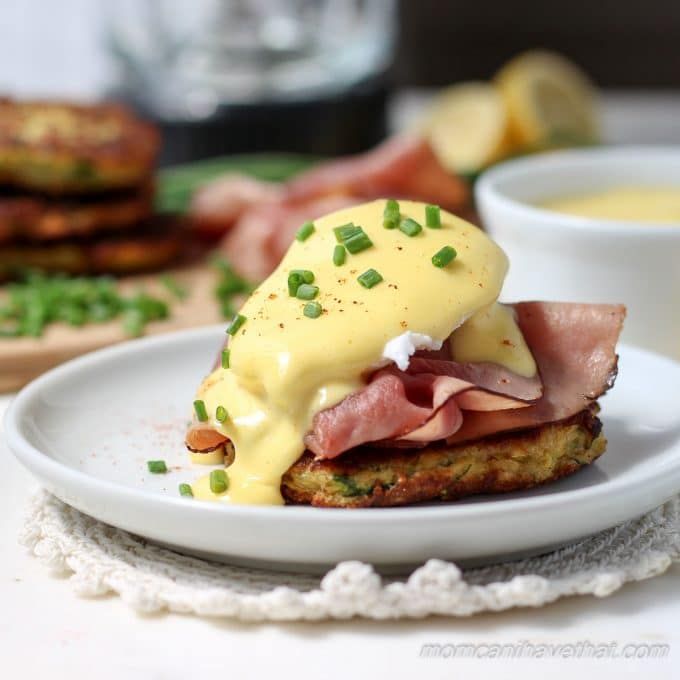
EGGS BENEDICT - 145
Toast,
smoked salmon,
poached egg
& hollandaise sauce


EGGS BENEDICT - 145
Toast,
honey-glazed ham,
poached egg
& hollandaise sauce


SCRAMBLED EGGS - 75
Sourdough toast,
scrambled egg
& salmon


OMELETTE - 75
Sourdough toast,
small omelette
& tomato salad


FRIED EGGS - 95
Sourdough toast,
two fried eggs,
bacon
& baked tomato

BOILED EGG - 68
Rye toast,
soft boiled egg,
anchovies
and butter


CHEESE & BLACK CURRANT - 49
Sourdough toast,
brown goat cheese,
blackcurrant compote
and butter


MÜSLI - 56
Nottemüsli,
yogurt
og solboer


Take 2: Ordering breakfast


Take 3: Asking for the bill


samedi 27 janvier 2018

Working in a restaurant - orders

I have a student who is preparing to work in Norway as a waitress as part of an English-language exchange program. This post will look at common phrases and specialized vocabulary needed for this sort of job.

Dealing with orders / Traiter les commandes

How do you like your steak?


Very, Very Rare = Bleu
Rare = Saignant
Medium-Rare = À point
Medium = Entre à point et bien cuit 
Done = Très bien cuit [Ça n'existe pas en France]

W


How do you take your coffee? 


Black = Noir
With Milk = avec lait
Milk and Sugar = avec lait et sucre
With Cream = avec crème 
Cream and Sugar = avec crème et sucre


What kind of coffee would you like? 


In English we actually use the Italian terms for specialized coffees...
En anglais, nous utilisons les termes italiens pour les cafés spécialisés ...

Espresso = café expresso
Caffè Americano = café américain
Cappuccino = cappuccino
Caffè Macciato = café macchiato
Caffè Doppio = double café
Caffè Freddo = café froid


What kind of beer would you like?


lager beer = bière blonde
pilsner beer = bière pilsner
stout = bière noir
wheat beer = bière de blé
draft beer = bière pression


What would you like on your pizza? / What type of pizza would you like?


mozzarella
bacon
piment
champignons
végétarien
crevette
salami


What kind of sandwich would you like?


Can you find the:

hot dog?

double-decker sandwich?

hamburger?

taco?

grilled sandwich?

wrap?

sandwich?


What type of sandwich would you like? 


names of sandwiches


open faced sandwich


finger sandwiches


What kind of soup / stew / sauce would you like?


What condiment would you like? 


What kind of dessert would you like? 


Post

Paralympics 2020