Affichage des articles dont le libellé est beginners. Afficher tous les articles

mardi 27 février 2018

Verbes essentiels pour les débutants

J'ai deux adultes qui apprennent à utiliser des verbes. C'est leur liste essentielle.

am / is / are
have / has
need / want (would like)

Can...?
Do...?

Go / Come
Look / Watch
Help
Call
Know
Start
Find
See
Speak
Take
Think

Il y a beaucoup de phrases que vous pouvez faire avec ces verbes.

Can you come today?
Yes, I can come today.

Can you help me?
Yes, I can help you?

Can you call me? 
Yes, I can call you.

Do you need help?
Yes, I need help.


samedi 24 février 2018

Can you name...

these kitchen tools?


grater
plate
bowl
potato masher
fork 
oven mitt
cutting board
cup
scissors
hot pad
saucer
can opener
glass
soup ladle
bottle opener
flipper
wooden spoon
butter knife
dessert spoon
whisk


vendredi 23 février 2018

How many? How much?

How many...?

compter les choses (pluriel) - mots avec "s"

cars do you own?
children in your family?
kilometers is it to Bagnoles de l'Orne?
apples are in that bag?
books are on the shelf?
people are in the room?
days until vacation?
hours does the trip take?

How much...

mots sans "s"

time do you have?
money do you have? 
does it cost? 
stuff is there?
gas do you need?
sugar do you take?
milk do we have? 
food does your cat eat? 
traffic was there?
paper do you need?
can you carry?


demander un prix

How much is it?
How much are they?
How much does it cost?
How much is a loaf of bread?
How much are the shoes? 
How much for the meal?
How much do you charge?


jeudi 22 février 2018

Asking questions - 6W + How?

Who? Qui?
What? Quelle?
When? Quand?
Where? Où?
Why? Pourquoi?

Listen to this great song!

Which? Lequel?

How? Comment?

How many? (number = le nombre) Combien?
How much? (quantity = quantité) Combien?

How old? Quel âge?
How far? À quelle distance?
How often? À quelle fréquence?
How big? De quelle taille?
How heavy? Comme c'est lourd?
How long? Combien de temps?
How high? Combien haut?
How deep? Quelle est la profondeur?
How useful? Comment utile?
How fast? À quelle vitesse?


mercredi 21 février 2018

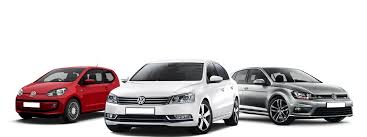
Renting a car

Lorsque vous voyagez, il est souvent nécessaire de louer une voiture.
Voici quelques phrases utiles et exemples de dialogues.


Trouver une location de voiture à l'aéroport:

Where is the car rental booth?

Where can I rent a car?


Demander une voiture:

Can I rent a car?

I would like to rent a car.

Do you have cars available?


Si vous avez une réservation:

Hi. I reserved a rental for today.

I have a car reserved.


Ils peuvent dire:

Sorry, we have no cars available today.

What kind of car would you like?

What type of car do you need?

We have: 


Vous pourriez dire:

How much is the mid size SUV?

How many does the minivan seat?

I'll take the minivan.

samedi 17 février 2018

Common greetings, pleasantries in English

Saying hello.

Hello - formal
Hi - informal
Hey - very informal - you have met before
Heyya - very informal - you have met before
Hiya - very informal - you have met before
Hey man - very very informal, usually just for guys who are friends
Good to see you - Good ta see ya.
Nice to see you. - Nice ta see ya.
Nice to meet you. (Formal. First time meeting).
Pleased to meet you. (Formal. First time meeting).
Good morning.
Morning. (informal)
Good afternoon.
Good evening.
Long time, no see. (Informal - they haven't seen you for a while.)
Hey. It's been a while. (Informal - they haven't seen you for a while.)

RESPONSE: Hello. Hi. Yeah, it's been a while. Etc.

Asking how someone is, how is their work, etc.

How are you? (Formal)
How do you do? (VERY formal)
How are you doing? ** sounds like ** Howya doin?
How have you been? ** sounds like ** Howya bin?
How are things? ** sounds like ** How'r things?
How is everything? ** sounds like ** Howz everything?
How's it going? ** sounds like ** Howzit goin?
How's life? ** sounds like ** Howz life?
How's work? ** sounds like ** Howz work?
How's school? ** sounds like ** Howz school?

RESPONSE: Fine. Fine, thanks. Good. Great. Super. OK. Not bad.

Asking in other ways...

What's new? ** often sounds like ** S'new?
What's up? ** often sounds like ** S'up?
What's going on? ** sounds like ** What's goin on? OR S'goin on?
How is your day? ** sounds like ** Howz yer day?
How is your day going? ** sounds like ** Howz yer day goin?

RESPONSE: Not much. The usual. Same old, same old. Nothing new.

Saying good-bye

Good-bye!
Good night!
Bye!
Bye-bye!
See ya!
Later!
See you later! See ya later!
See you soon! Hope to see you again soon! See ya soon! Hope ta see ya again soon!

RESPONSE: Good-bye. Good night! Etc.


mardi 13 février 2018

It's Bedtime! Q&A for kids

This is a question and answer song or game to play with kids before bed.
Ceci est une question et une chanson ou un jeu pour jouer avec les enfants avant de se coucher.
© ME!

It's bedtime! Whatcha gonna do?

We are gonna put on PJs! 
Put on-put on-put on-put on-PJs!

It's bedtime! Whatcha gonna do?

We are gonna brush our teeth! 
Brush our-brush our-brush our-brush our-teeth!

It's bedtime! Whatcha gonna do? 

We are gonna drink some water! 
Drink some-drink some-drink some-drink some-water!

It's bedtime! Whatcha gonna do? 

We are gonna read a book! 
Read a-read a-read a-read a book!

It's bedtime! Whatcha gonna do?

We are gonna say "Good night!" 
Say good-say good-say good-Say "Good night!"


Bedtime! A lullaby

Une "berceuse" est une chanson pour enfants que vous chantez avant d'aller vous coucher. La berceuse la plus célèbre pour l'heure du coucher est "Twinkle Twinkle Little Star".

A "lullaby" is a song for children that you sing before they go to bed. The most famous lullaby for bedtime is Twinkle Twinkle Little Star.

Twinkle, twinkle, little star,
How I wonder what you are!
Up above the world so high,
Like a diamond in the sky.


Scintille, scintille, petite étoile,
Comment je me demande ce que vous êtes!
Au-dessus du monde si haut,

Comme un diamant dans le ciel.

**************************************

There is also a parody of this song written by Lewis Carroll.

Twinkle, twinkle, little bat!
How I wonder what you're at!
Up above the world you fly,
Like a tea tray in the sky.
Twinkle, twinkle, little bat!
How I wonder what you're at!


Scintille, scintille, petite chauve-souris!
Comme je me demande ce que tu es!
Au-dessus du monde que tu vole,
Comme un plateau de thé dans le ciel.
Scintille, scintille, petite chauve-souris!

Comme je me demande ce que tu es!

vendredi 9 février 2018

Essential adverbs

Voici quelques adverbes utiles.

Accidentally = Accidentellement
Afterwards = Ensuite
Almost = Presque
Always = Toujours
Angrily = Avec colère
Badly = Mal
Briefly = Brièvement
Calmly = Calmement 
Carefully = Soigneusement
Cheerfully = Gaiement
Clearly = Clairement
Correctly = Correctement
Daily = du quotidien
Easily = Facilement
Even = Même
Eventually = Finalement
Exactly = Exactement
Far = Loin
Fast = Vite
Fortunately = Heureusement
Gladly = Volontier
Happily = Heureusement
Honestly = Honnêtement
Hourly = Horaire
Kindly = Gentiment
Loudly = Bruyamment
Nearly = Presque
Never = Jamais
Not = ne pas
Often = Souvent
Only = Seulement
Perfectly = à la perfection
Politely = Poliment
Poorly = Pauvrement
Quickly = Rapidement
Quietly = Tranquillement
Rarely = Rarement
Really = Vraiment
Regularly = Régulièrement
Repeatedly = À plusieurs reprises
Rudely = Grossièrement
Sadly = Malheureusement
Safely = Prudemment
Seldom = Rarement
Slowly = Lentement
Sometimes = Parfois
Soon = Bientôt
Suddenly = Soudainement
Too Aussi
Very = Très
Well = bien
Yearly = Annuel


Essential adjectives

Voici des adjectifs communs et utiles:

Annoyed = Agacé
Anxious = Anxieux
Ashamed = Honteux
Attractive = Attrayant
Average = Moyenne
Bitter = Amer
Bland = Fade
Bored = Ennuyé
Brave = Courageux
Bright = Brillant
Charming = Charmant
Cheerful = De bonne humeur
Clean = Nettoyer
Clear = Clair
Cloudy = Nuageux
Clumsy = Maladroit
Colorful = Coloré
Confused = Confus
Courageous = Courageux
Dangerous = Dangereux
Deep = Profond
Delicious = Délicieux
Depressed = Déprimé
Determined = Déterminé
Dirty = Sale
Disgusted = Dégoûté
Disturbed = Perturbé
Dull = Terne
Eager = Désireux
Elegant = Élégant
Embarrassed = Embarrassé
Encouraging = Encourageant
Energetic = Énergique
Enormous = Énorme
Enthusiastic = Enthousiaste
Envious = Envieux
Excited = Excité
Expensive = Coûteux
Fancy = De luxe
Fantastic = Fantastique
Fine = Bien
Flat = Plat
Foolish = Insensé
Fresh = Frais
Friendly = Amical
Frightened = Effrayé
Funny = Drôle
Fuzzy = Crépu
Gentle = Doux
Glamorous = Glamour
Greasy = Graisseux
Great = Génial
Grumpy = Grincheux
Handsome = Beau
Happy = Content
Healthy = En bonne santé
Helpful = Utile
High = Haute
Hollow = Creux
Huge = Énorme
Hungry = Affamé
Hurt = Blesser
Icy = Glacé
Ideal = Idéal
Itchy = Qui démange
Jealous = Jaloux
Kind = Gentil
Large = Grand
Lazy = Paresseux
Little = Peu
Lonely = Solitaire
Lucky = Chanceux
Mistaken = Trompé
Moody = De mauvaise humeur
Muddy = Boueux
Mysterious = Mystérieux
Narrow = Étroit
Nasty = Méchant
Naughty = Vilain
Nervous = Nerveux
Nice = Agréable
Nonsensical = Absurde
Nutritious = Nutritif
Odd = Impair
Old-fashioned = Démodé
Perfect = Parfait
Plain = Simple
Pleasant = Agréable
Proud = Fier
Repulsive = Repoussant
Ripe = Mûr
Rotten = Pourri
Rough = Rugueux
Round = Rond
Salty = Salé
Scary = Effrayant
Selfish = Égoïste
Sharp = Tranchant
Shiny = Brillant
Short = Court
Silly = Idiot
Skinny = Maigre
Sleepy = Somnolent
Slippery = Glissant
Small = Petit
Smiling = Souriant
Smooth = Lisse
Solid = Solide
Sore = Douloureux
Sorry = Désolé
Sour = Acide
Sparkling = Pétillant
Spicy = Épicé
Square = Carré
Stormy = Orageux
Straight = Tout droit
Strange = Étrange
Strong = Fort
Successful = Réussi
Super = Super
Sweet = Sucré
Tasty = Délicieux
Tense = Tendu
Terrible = Terrible
Thankful = Reconnaissant
Thick = Épais
Thoughtful = Réfléchi
Tight = Serré
Tired = Fatigué
Upset = Dérangé
Wonderful = Formidable
Worried = Inquiet
Yummy = Délicieux


jeudi 8 février 2018

Essential nouns

Voici les 100 noms les plus communs en anglais. Je les ai regroupés par thème ...

Time
Moment
Minute
Hour
Day
Week
Month
Year
Life
Morning
Night
Afternoon
Evening
End
Change
Line
Point

Temps
Moment
Minute
Heure
journée
La semaine
Mois
An
La vie
Matin
Nuit
Après midi
Soir
Fin
Changement
Ligne
Point

People
Community
Group
Team
Member
Friend
Person
Man
Woman
Child
Kid
Girl
Guy
Family
Mother
Father
Parent
Others
Party

Gens
Communauté
Groupe
Équipe
Membre
Ami
La personne
Homme
Femme
Enfant
Enfant
Fille
Gars
Famille
Mère
Père
Parent
Autres
Fête

Home
House
Room
Door
Area
Water

Maison
Maison
Chambre
Porte
Région
Eau

Body
Head
Face
Eye
Hand
Back
Part
Side
Right
Health
Air

Corps
Tête
Visage
Œil
Main
Arrière
Partie
Côté
Droite
Santé
Air

School
Book
Story
History
Art
Student
Study
Research
Word
Fact
Information
Question
Problem
Idea
Issue
Reason
Level
Result
Game
Teacher
Education

École
Livre
Récit
Histoire
Art
Étudiant
Étude
Recherche
Mot
Fait
Information
Question
Problème
Idée
Problème
Raison
Niveau
Résultat
Jeu
Prof
Éducation

World
Country
State
Government
Power
Force
Law
War
President
City
Place
Way
Car
Thing
Name
Kind

Monde
Pays
Etat
Gouvernement
Puissance
Obliger
Loi
Guerre
Président
Ville
Endroit
Façon
Voiture
Chose
prénom
Gentil

Business
Service
Company
System
Program
Office
Work
Job
Money
Number

Entreprise
Un service
Compagnie
Système
Programme
Bureau
Travail
Emploi
Argent
Nombre


Essential verbs

Voici quelques-uns des verbes les plus couramment utilisés en anglais. Apprenez-les et vous pourrez en dire beaucoup!

TO be = etre
to feel = sentir, croire

I am happy. You are sad. He is cold. We are hot. You are upset. They are calm.
I feel happy. You feel sad? He feels cold. We feel hot. You feel upset? They feel calm.

To have = avoir

I have a headache. You have a new car. She has a nice haircut. We are having a bad day. Are you having fun? They have no idea!

to do = faire
I am doing my homework.
You are doing your homework.
He/she is doing his/her homework.
We are doing our homework.
You are doing your homework?
They are doing their homework.

to make = faire (plus comme construire)
I am making a cake.
You are making a cake?
She is making a cake.
We are making a cake!
You are making a cake.
They are making a cake.

to give = donner
I am giving flowers to my mother for Valentine's Day.
You are giving her flowers?
He is giving her flowers.
We are giving her flowers.
You are giving her flowers.
They are giving her flowers.

to take = prendre
I am taking a course. I am taking a letter to the post office.
You are taking a course?
She is taking a course.
We are taking a course.
You are taking a course?
They are taking a course.

to get = obtenir, devenir
I am getting a new dress. I am getting angry.
You are getting a new dress?
She is getting a new dress.
We are getting new dresses.
You are getting new dresses?
They are getting new dresses.

to bring = apporter
I am bringing cookies to the party.
You are bringing cookies to the party?
He is bringing cookies to the party.
We are bringing cookies to the party.
Are you bringing cookies to the party?
Are they bringing cookies to the party?

to put = mettre
I am putting plates on the table.
You are putting plates on the table?
She is putting plates on the table.
We are putting plates on the table.
Are you putting plates on the table?
They are putting plates on the table.

to see = voir
I see you.
You see me.
He sees her.
We see them.
You see us.
They see it.

to look, to watch = regarder
I am looking out the window. I am watching TV.
You are looking out the window.
He is looking out the window.
We are looking out the window.
Are you looking out the window?
They are looking out the window.

to know = savoir
I know the answer.
You know the answer!
She knows the answer.
We know the answer!
Do you know the answer?
They know the answer.

to think = penser
I am thinking of my trip to Norway.
Are you thinking of your trip?
She is thinking of her trip!
We are thinking about our trip.
Are you thinking about your trip?
They are thinking about their trip.

to come = venir
I am coming in 5 minutes.
Are you coming soon?
She is coming at 11 o'clock.
We are coming this afternoon.
When are you coming?
They are coming later.

to go = aller
I am going to my friend's house.
Are you going to your friend's house?
She is going to the shop.
We are going to the supermarket.
Are you going to the supermarket?
They are going to the supermarket.

to leave = partir
I am leaving. Bye!
Are you leaving?
He is leaving.
We are leaving.
You are leaving already?
Are they leaving?

to call = appeler, téléphoner
I am calling a taxi.
Are you calling a cab?
She is calling a cab.
We are calling a taxi.
You are calling a cab?
They are calling a cab.

to need = avoir besoin
I need a glass of water.
Do you need a some water?
He needs some water.
We need some water.
You need some water?
They need some water.

to want = vouloir
I want some candy.
Do you want some candy?
He wants candy.
We want candy.
Do you want some candy?
They want candy.

to ask = demander
I am asking a question.
Are you asking him to go?
She is asking him to go.
We are asking you to go.
You are asking me?
They are asking for more time.

to find = trouver
I am finding cat hair everywhere!
Are you finding the answer?
He is trying to find his keys.
We are trying to find the answer.
Are you trying to find a parking space?
They are trying to find a taxi.

to try = essayer
I am trying to learn English.
Are you really trying?
She is trying very hard.
We are trying our best.
You are trying to learn English?
They are trying to learn English.

to help = aider
I am helping my mom.
Are you helping your mom?
She is helping her mom.
We are helping our mom.
You are helping your mom?
They are helping their mom.

to begin, to start = commencer
I am beginning a new English class next week.
Are you starting a new course next week?
He is starting a course next week.
We are beginning a new course next week.
You are starting today?
They are starting today.

to speak, to talk = parler
I am speaking as much English as I can! I am talking in English!
You are speaking English!
She is speaking English?
We are speaking English!
Are you speaking English?
They are talking too much!

to say, to tell = dire
I am saying that all the time. I am telling her every day to do her homework.
What are you saying?
He is saying that I can't speak English!
She is telling him that I can speak English!
We are telling him but he will not listen.
Can you tell me the time?
They are telling a story.

to be able (can) = pouvoir

I can do it.
Can you do it?
He can do it.
She can do it.
We can do it.
You can do it!
They can do it.

parler de la capacité

I can drive a car.
She can make gingerbread.

demander et donner la permission

Can I leave work early?
You can use my phone.

faire une demande

Can you tell me the time?
Can you recommend something from the menu?

faire une offre

Can I help you?
Can I call a taxi for you?


mercredi 7 février 2018

Asking someone to call a taxi

Listen. Try to have the conversation.
Écouter le dialogue. Essayez de répéter le dialogue.

Asking someone to call a taxi - video 1


Asking someone to call a cab - video 2


© ME!


mardi 6 février 2018

Je ne peux pas parler anglais...

Voici des mots, des expressions et des phrases utiles lorsque vous avez besoin de comprendre que vous connaissez très peu l'anglais.

Sorry.

Désolé.

Sorry. I don't know English.

Désolé. Je ne connais pas l'anglais.

I do not know English. = I don't know English.

La phrase est comme ça, mais nous le disons comme:

I dunno English. 

D'autres façons de dire ceci:

I don't speak English.

I don't speak English very well.
I don't know English very well.

Sorry. I know very little English.
Sorry. I speak very little English.

Sorry. I just know a little English.
Sorry. I just speak a little English.

I don't know much English.

I don't speak much English.

I only know a few words of English.
I can only say a few things in English.


Post

Paralympics 2020