Affichage des articles dont le libellé est verbs. Afficher tous les articles

mercredi 20 mars 2019

Verbs for Food & Drink

Useful verbs to help you talk about food and drink:


eat
I will eat a cookie. He will eat a cookie.  
I am eating a cookie. He is eating a cookie.
I ate a cookie. He ate a cookie.


drink
I will drink a glass of water. He will drink a glass of water.
I am drinking a glass of water. He is drinking a glass of water.
I drank a glass of water. He drank a glass of water.


chew
I will chew my food. He will chew his food.
I am chewing my food. He is chewing his food.
I chewed my food. He chewed his food.


order
I will order a pizza. He will order a pizza.
I am ordering a pizza. He is ordering a pizza. 
I ordered a pizza. He ordered a pizza. 


buy
I will buy a sandwich. She will buy a sandwich.
I am buying a sandwich. She is buying a sandwich.
I bought a sandwich. She bought a sandwich. 


make
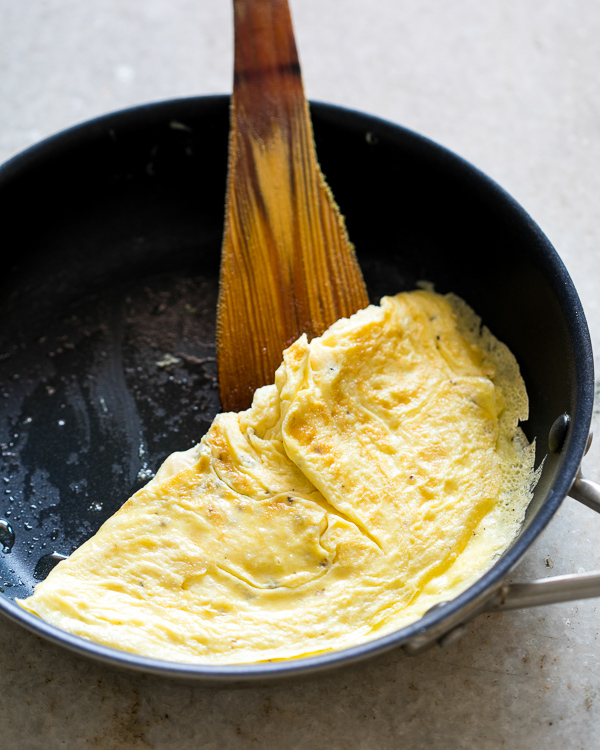
I will make an omelet. She will make an omelet.
I am making an omelet. She is making an omelet. 
I made an omelet. She made an omelet.


bake
I will bake a cake. She will bake a cake.
I am baking a cake. She is baking a cake. 
I baked a cake. She baked a cake. 


cook
I will cook supper. She will cook supper. 
I am cooking supper. She is cooking supper. 
I cooked supper. She cooked supper.


pour
I will pour a glass of wine. He will pour a glass of wine. 
I am pouring a glass of wine. He is pouring a glass of wine.
I poured a glass of wine. He poured a glass of wine. 


have breakfast
I will have breakfast. He will have breakfast.
I am having breakfast. He is having breakfast. 
I had breakfast. He had breakfast. 


have a glass of wine
I will have a glass of wine. She will have a glass of wine.
I am having a glass of wine. She is having a glass of wine. 
I had a glass of wine. She had a glass of wine.


have a slice of pizza
I will have a slice of pizza. She will have a slice of pizza. 
I am having a slice of pizza. She is having a slice of pizza. 
I had a slice of pizza. She had a slice of pizza. 

be tasty
This pizza will be tasty. 
This pizza is tasty!
That pizza was tasty.

taste good
This cookie will taste good.
This tastes good!
That was good.

be yummy
This coffee will be yummy.
This coffee is soooooooooooo yummy!
That coffee was yummy.

be delicious
This meal will be delicious.
This meal is delicious!
That meal was delicious.

grab a bite to eat
I will grab a bite to eat. He will grab a bite to eat. 
I am grabbing a bite to eat. He is grabbing a bite to eat. 
I grabbed a bite to eat. He grabbed a bite to eat.

grab a coffee
I will grab a coffee. He will grab a coffee.
I am grabbing a coffee. He is grabbing a coffee.
I grabbed a coffee. He grabbed a coffee. 

I love coffee!
Want to grab a coffee?
Let's grab a coffee!


IN THE PRESENT...

feel like having / want / would like
I feel like having a coffee. He feels like having a coffee.
I want to have a coffee. He wants to have a coffee. 
I would like to have a coffee. He would like to have a coffee. 

Watch these videos:

Almost pizza

Starbucks at home

Sugary drinks


Chewable Pampers


vendredi 18 janvier 2019

Think with pictures - common verbs

Can you identify the verb for each image? 


say

get up

go
leave

know

to take a shower

see

come

think


look

want


give


find


tell 

ask

work

feel

try

call

put on


mardi 27 mars 2018

Verb list for beginners - present and past

Want
Like
Look
Watch
Work
Call
Talk 
Walk

Eat / Ate
Drink / Drank
Read / Read [red]
Drive / Drove
Take / Took
Give / Gave
See / Saw
Speak / Spoke
Go / Went
Come / Came
Find / Found
Know / Knew
Think / Thought

lundi 26 mars 2018

Top 100 verbs - Top 100 des verbes

According to the COCA (Corpus of Contemporary American English), these are the 100 most commonly used verbs in American English. But one thing that I find strange is that it lists helping verbs. A helping verb must be used with another verb to make sense. To test if a verb is a true verb, add "TO" before it to see if it is a true infinitive. The only exception to this "rule" that I know of is CAN. You CAN use CAN as a verb but you CAN'T say TO CAN. (Unless maybe you mean to CANCAN! Now, that's French!)

OK, let's be serious. 
These are the helping verbs*:

am, are, is, was, were, be, being, been 
have, has, had 
shall, will 
do, does, did 
may, must, might 
can, could, would, should 

Combien en utilisez-vous?


100 Common English Verbs


1.      be
2.      have
3.      do
4.      say
5.      go
6.      can (to be able to)
7.      get
8.      would *
9.      make
10.    know
11.    will *
12.    think
13.    take
14.    see
15.    come
16.    could *
17.    want
18.    look
19.    use
20.    find
21.    give
22.    tell
23.    work
24.    may *
25.    should *
26.    call
27.    try
28.    ask
29.    need
30.    feel
31.    become
32.    leave
33.    put
34.    mean
35.    keep
36.    let
37.    begin
38.    seem
39.    help
40.    talk
41.    turn
42.    start
43.    might *
44.    show
45.    hear
46.    play
47.    run
48.    move
49.    like
50.    live
51.    believe
52.    hold
53.    bring
54.    happen
55.    must *
56.    write
57.    provide
58.    sit
59.    stand
60.    lose
61.    pay
62.    meet
63.    include
64.    continue
65.    set
66.    learn
67.    change
68.    lead
69.    understand
70.    watch
71.    follow
72.    stop
73.    create
74.    speak
75.    read
76.    allow
77.    add
78.    spend
79.    grow
80.    open
81.    walk
82.    win
83.    offer
84.    remember
85.    love
86.    consider
87.    appear
88.    buy
89.    wait
90.    serve
91.    die
92.    send
93.    expect
94.    build
95.    stay
96.    fall
97.    cut
98.    reach
99.    kill
100.  remain


mardi 27 février 2018

Verbes essentiels pour les débutants

J'ai deux adultes qui apprennent à utiliser des verbes. C'est leur liste essentielle.

am / is / are
have / has
need / want (would like)

Can...?
Do...?

Go / Come
Look / Watch
Help
Call
Know
Start
Find
See
Speak
Take
Think

Il y a beaucoup de phrases que vous pouvez faire avec ces verbes.

Can you come today?
Yes, I can come today.

Can you help me?
Yes, I can help you?

Can you call me? 
Yes, I can call you.

Do you need help?
Yes, I need help.


jeudi 8 février 2018

Essential verbs

Voici quelques-uns des verbes les plus couramment utilisés en anglais. Apprenez-les et vous pourrez en dire beaucoup!

TO be = etre
to feel = sentir, croire

I am happy. You are sad. He is cold. We are hot. You are upset. They are calm.
I feel happy. You feel sad? He feels cold. We feel hot. You feel upset? They feel calm.

To have = avoir

I have a headache. You have a new car. She has a nice haircut. We are having a bad day. Are you having fun? They have no idea!

to do = faire
I am doing my homework.
You are doing your homework.
He/she is doing his/her homework.
We are doing our homework.
You are doing your homework?
They are doing their homework.

to make = faire (plus comme construire)
I am making a cake.
You are making a cake?
She is making a cake.
We are making a cake!
You are making a cake.
They are making a cake.

to give = donner
I am giving flowers to my mother for Valentine's Day.
You are giving her flowers?
He is giving her flowers.
We are giving her flowers.
You are giving her flowers.
They are giving her flowers.

to take = prendre
I am taking a course. I am taking a letter to the post office.
You are taking a course?
She is taking a course.
We are taking a course.
You are taking a course?
They are taking a course.

to get = obtenir, devenir
I am getting a new dress. I am getting angry.
You are getting a new dress?
She is getting a new dress.
We are getting new dresses.
You are getting new dresses?
They are getting new dresses.

to bring = apporter
I am bringing cookies to the party.
You are bringing cookies to the party?
He is bringing cookies to the party.
We are bringing cookies to the party.
Are you bringing cookies to the party?
Are they bringing cookies to the party?

to put = mettre
I am putting plates on the table.
You are putting plates on the table?
She is putting plates on the table.
We are putting plates on the table.
Are you putting plates on the table?
They are putting plates on the table.

to see = voir
I see you.
You see me.
He sees her.
We see them.
You see us.
They see it.

to look, to watch = regarder
I am looking out the window. I am watching TV.
You are looking out the window.
He is looking out the window.
We are looking out the window.
Are you looking out the window?
They are looking out the window.

to know = savoir
I know the answer.
You know the answer!
She knows the answer.
We know the answer!
Do you know the answer?
They know the answer.

to think = penser
I am thinking of my trip to Norway.
Are you thinking of your trip?
She is thinking of her trip!
We are thinking about our trip.
Are you thinking about your trip?
They are thinking about their trip.

to come = venir
I am coming in 5 minutes.
Are you coming soon?
She is coming at 11 o'clock.
We are coming this afternoon.
When are you coming?
They are coming later.

to go = aller
I am going to my friend's house.
Are you going to your friend's house?
She is going to the shop.
We are going to the supermarket.
Are you going to the supermarket?
They are going to the supermarket.

to leave = partir
I am leaving. Bye!
Are you leaving?
He is leaving.
We are leaving.
You are leaving already?
Are they leaving?

to call = appeler, téléphoner
I am calling a taxi.
Are you calling a cab?
She is calling a cab.
We are calling a taxi.
You are calling a cab?
They are calling a cab.

to need = avoir besoin
I need a glass of water.
Do you need a some water?
He needs some water.
We need some water.
You need some water?
They need some water.

to want = vouloir
I want some candy.
Do you want some candy?
He wants candy.
We want candy.
Do you want some candy?
They want candy.

to ask = demander
I am asking a question.
Are you asking him to go?
She is asking him to go.
We are asking you to go.
You are asking me?
They are asking for more time.

to find = trouver
I am finding cat hair everywhere!
Are you finding the answer?
He is trying to find his keys.
We are trying to find the answer.
Are you trying to find a parking space?
They are trying to find a taxi.

to try = essayer
I am trying to learn English.
Are you really trying?
She is trying very hard.
We are trying our best.
You are trying to learn English?
They are trying to learn English.

to help = aider
I am helping my mom.
Are you helping your mom?
She is helping her mom.
We are helping our mom.
You are helping your mom?
They are helping their mom.

to begin, to start = commencer
I am beginning a new English class next week.
Are you starting a new course next week?
He is starting a course next week.
We are beginning a new course next week.
You are starting today?
They are starting today.

to speak, to talk = parler
I am speaking as much English as I can! I am talking in English!
You are speaking English!
She is speaking English?
We are speaking English!
Are you speaking English?
They are talking too much!

to say, to tell = dire
I am saying that all the time. I am telling her every day to do her homework.
What are you saying?
He is saying that I can't speak English!
She is telling him that I can speak English!
We are telling him but he will not listen.
Can you tell me the time?
They are telling a story.

to be able (can) = pouvoir

I can do it.
Can you do it?
He can do it.
She can do it.
We can do it.
You can do it!
They can do it.

parler de la capacité

I can drive a car.
She can make gingerbread.

demander et donner la permission

Can I leave work early?
You can use my phone.

faire une demande

Can you tell me the time?
Can you recommend something from the menu?

faire une offre

Can I help you?
Can I call a taxi for you?


dimanche 4 février 2018

VERB : to prefer

The VERB "to prefer" [préférer] is very useful. Practice using the following pattern.

Which _______ would you prefer: ______ or ______ ?

Starters


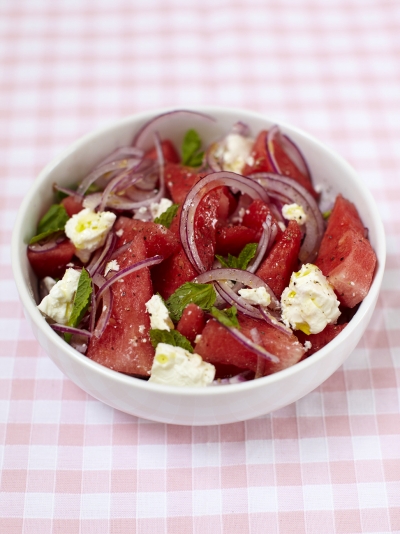
Watermelon & feta salad

Crab cakes
Which starter would you prefer:
the watermelon and feta salad
or the crab cakes?

Possible answers:

I would prefer the crab cakes.

OR

I would prefer the salad.


Now, practice!


Toppings (for ice cream)


plain vanilla ice cream

toppings:

caramel

chocolate


Condiments (for French fries)


ketchup
mayo


hot sauce


Toppings (for a hamburger)
They may pick more than one!

toppings for a hamburger

Toppings (for a bagel)

plain sliced bagel


poppyseed bagel

cream cheese and cucumber

smoked salmon

cream cheese


butter

Flavours (of ice cream)


vanilla, chocolate, chocolate mint, strawberry


Herbal Teas


types of herbal tea

Pies


apple pie
lemon meringue pie


Post

Paralympics 2020